

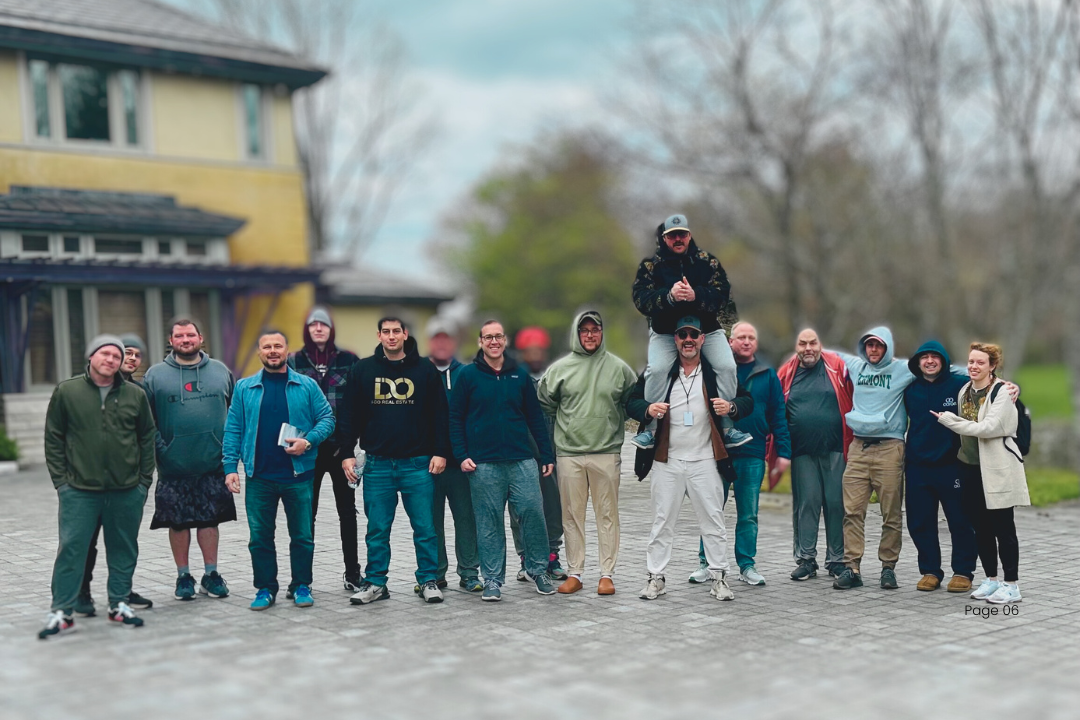
A City Built For Recovery
Scranton is more than a backdrop—it’s part of the solution. Our city, once a titan of coal and rail, has become a modern hub for healthcare, education, and personal reinvention. With a low cost of living, access to world-class universities, walkable neighborhoods, and a community ethos rooted in resilience, Scranton offers the ideal environment for early recovery and long-term self-sufficiency.
Unlike the “brain drain” phenomenon seen in many small cities, Scranton has long been a destination for those seeking healing, not escape. For decades, individuals and families have chosen this region as a launchpad for recovery, drawn by its accessibility, safety, and unmatched sense of local pride and service.
From the nation’s first Treatment Court model to an array of peer-led recovery programs, Scranton leads with innovation and compassion. In a place where John Mitchell and the labor movement fought for human dignity and equity, Fellowship House carries that tradition forward—offering care that is just, inclusive, and transformative.
In 1982, the Scranton family donated their summer home in Waverly, PA, to create Marworth, one of the country’s most respected treatment centers. Today, Fellowship House continues that legacy by restoring historic spaces—like Green Ridge House—into dignified, community-based sanctuaries for recovery.
A New Chapter Begins At Greenridge
In late 2023, under bright sunshine and a ripple of applause, local leaders and the Fellowship House team cut the ribbon on Green Ridge’s newest chapter. Located at 1554 Sanderson Avenue, the house, an elegant three-story Victorian in a vibrant Scranton neighborhood, thrives as a beacon of long-term recovery. Inside, participants find shared living spaces bathed in natural light, a fully-equipped kitchen, and comfortable lounges that ease the initial transition from crisis to community.
Green Ridge marks a departure from secluded, rural retreats—it’s an urban sanctuary integrated with the city’s pulse. Just blocks from universities and downtown, participants engage in real-world routines: morning coffee runs, volunteer roles, and weekend jobs that anchor recovery in everyday living, moving beyond the myth that healing only happens “in the woods”
Healing Through City Living
- The University of Scranton
- Marywood University
- Penn State Scranton
- Lackawanna College
- Geisinger Commonwealth School of Medicine
- Johnson College
Our Philosophy: Holistic, Personalized, Grounded In Compassion
From the moment someone steps through our door, they’re welcomed into a continuum of support shaped by clinical rigor and heartfelt compassion.
- Residential & Transitional Living
At Green Ridge, adults—often young men aged 18–35—begin with structured residential care. Days are filled with evidence-based therapy: Cognitive Behavioral Therapy (CBT), Motivational Interviewing (MI), and trauma-informed practices. Peer groups centered in the house foster shared accountability, honesty, and growth. - Intensive Outpatient (IOP) & Partial Hospitalization (PHP)
Moving through the continuum, participants may engage in IOP or PHP, attending therapy sessions while living more autonomously. This flexibility allows them to work, study, or reconnect with families, all under expert clinical guidance. - Community Integration & Peer Led Growth
Recovery extends beyond our walls through weekly speaker meetings at Green Ridge, alumni gatherings, and community events. We support people returning to families and jobs while holding ongoing peer groups and “Mandala Room” programming—reflective writing, mindfulness, and recovery podcasts—to build resilience and self-awareness.
Evidence-Based, Heart-Centered Care
Underpinning our approach is a robust suite of treatments:
- CBT & MI rewire thinking and motivation.
- Trauma-informed modalities help process past wounds.
- Relapse prevention planning ensures long-term sustainability.
- Medication support is available for alcohol and opioid use disorders.
- Wellness activities—yoga, meditation, cooking classes—nurture body and soul.
The result is a deep, integrated healing experience that meets heart and mind where they are.
Diverse Programs for Diverse People
We believe recovery must reflect identity and context. That’s why Fellowship House offers:
- Gender-specific environments for men and women
- Young adult and adult cohorts
- Veteran, court-referred, and dual-diagnosis support
- Trauma-informed care for survivors of abuse
- Chronic illness and pain-management integration
Every program is personalized—not one-size-fits-all—and participants move through our system supported at their pace.
Accessibility & Support
- 24/7 free assessments
- Medicaid, private insurance, and sliding scale
- Structured transitional housing
- Personalized discharge and relapse-prevention plans
Community, Growth and Outcomes
Our success is measured not only in sobriety but in thriving. Fellowship House:
- Meets or exceeds national recovery outcome benchmarks
- Earned recognition such as the Unsung Hero Award for exceptional staff contributions linkedin.com
- Community partners in regional wellness initiatives
- Content creation through AllBetter.fm, spotlighting recovery stories
- Growth powered by partnerships with local government, foundations, and businesses
- Creates ripple effects throughout Scranton, from peer-led recovery pods to Far Healing events and podcasts that echo stories of triumph.
Each life transformed becomes part of a growing ecosystem of support and hope.
Accessibility & Support
We’ve removed as many barriers as possible to care:
- Free initial assessments, 24/7
- Accept Medicaid, private insurance, and offer sliding-scale options
- Transitional housing and relapse-prevention plans for outgoing residents
Every part of our process—assessment, treatment, transition—is designed to be compassionate, confidential, and accessible.